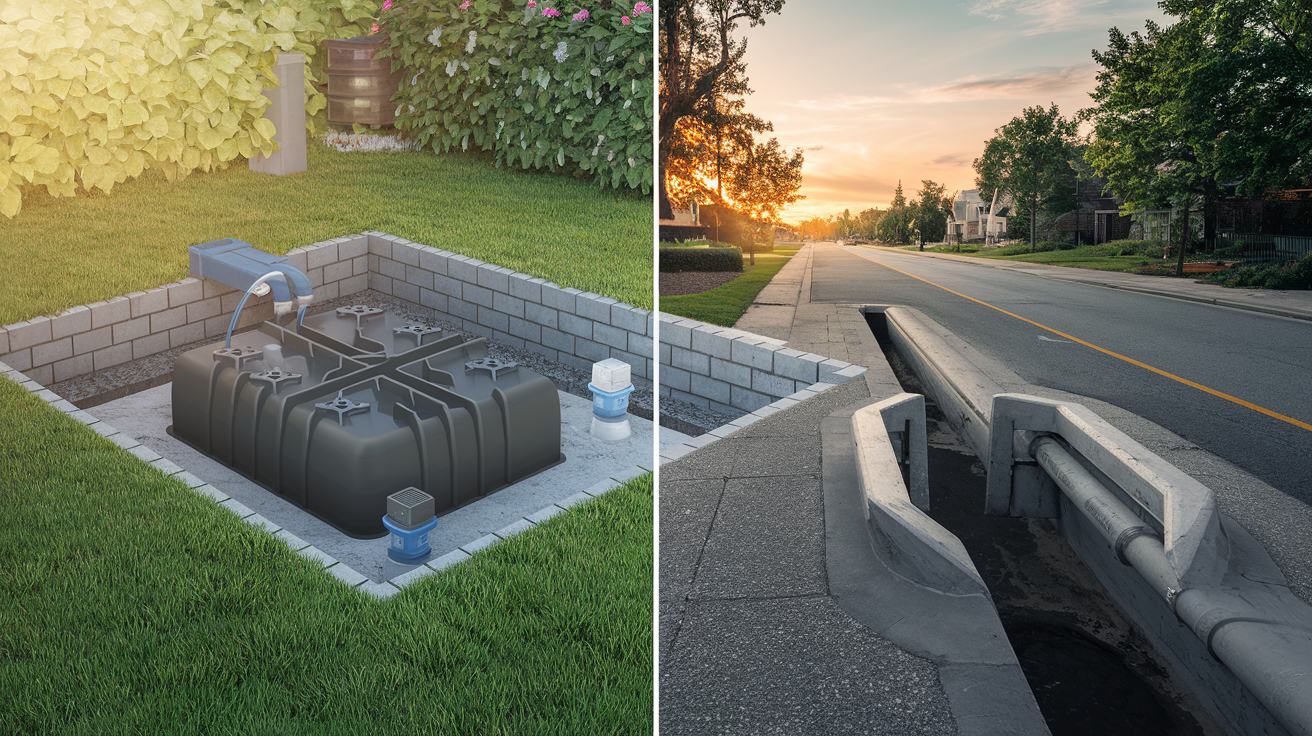
Septic System vs Sewer: What's the Difference?
Updated for 2026 · 6 min read
About one in five American homes uses a septic system instead of a municipal sewer connection. If you're buying a home, building new, or just wondering what's going on under your yard, understanding the difference matters — for your wallet and your daily life.
How Municipal Sewer Systems Work
With a sewer connection, wastewater from your home flows through underground pipes to a centralized treatment plant operated by your city or county. The treatment plant processes millions of gallons daily, cleans the water, and discharges it back into the environment.
You pay for this service through a monthly sewer bill, typically $30–$70 per month depending on your location and water usage. The municipality handles all treatment, maintenance, and regulatory compliance.
How Septic Systems Work
A septic system is your own private wastewater treatment facility. Wastewater flows from your home into an underground tank where solids settle to the bottom (sludge) and lighter materials float to the top (scum). The liquid in the middle (effluent) flows out to a drain field — a network of perforated pipes in gravel trenches — where soil naturally filters and treats the water before it returns to the groundwater.
For a deeper dive, see our complete guide to how septic systems work.
Side-by-Side Comparison
| Factor | Septic System | Municipal Sewer |
|---|---|---|
| Upfront cost | $15,000–$30,000 (installation) | $0–$5,000 (connection fee) |
| Monthly cost | $0 (no monthly bill) | $30–$70/month |
| Maintenance | Homeowner responsible | Municipality handles it |
| Pumping needed | Every 3–5 years ($300–$600) | Not applicable |
| Common location | Rural and suburban | Urban and suburban |
| Lifespan | 20–40 years with care | Indefinite (public infrastructure) |
| Environmental impact | Local groundwater recharge | Centralized treatment |
| What you can flush | More restricted | More forgiving |
Advantages of Septic Systems
- No monthly sewer bill. Over 20 years, this adds up to $7,000–$17,000 in savings — often more than offsetting installation costs.
- Independence. You're not affected by municipal rate hikes, sewer main breaks, or city infrastructure problems.
- Environmental benefits. Well-maintained septic systems recharge local groundwater and process waste naturally.
- Property value in rural areas. In areas without sewer access, a functioning septic system is essential and adds value.
Disadvantages of Septic Systems
- Maintenance is on you. You're responsible for regular pumping, inspections, and repairs.
- Failure is expensive. A failed drain field can cost $5,000–$15,000+ to replace.
- Land requirements. You need adequate yard space with suitable soil for the drain field.
- Usage restrictions. You need to be mindful of what goes down the drain and how much water you use.
Advantages of Municipal Sewer
- Low maintenance. Once connected, you don't think about it. The city handles everything past your property line.
- No pumping required. No scheduling, no tracking, no $300–$600 bills every few years.
- Fewer usage restrictions. Sewer systems are more forgiving (though you still shouldn't flush wipes or grease).
- No land requirements. Works for any lot size.
Disadvantages of Municipal Sewer
- Monthly bills forever. Sewer fees are recurring and tend to increase over time.
- Rate increases. Aging infrastructure means many municipalities are raising sewer rates significantly.
- Combined sewer overflows. In heavy rain, some older sewer systems can overflow, sending untreated sewage into waterways.
- Not available everywhere. Rural properties often can't connect to sewer even if they wanted to.
Which Is Cheaper Long-Term?
It depends on how long you stay and how well you maintain the system. Here's a rough 20-year comparison:
- Sewer: $50/month × 240 months = $12,000 in sewer bills alone
- Septic: $20,000 installation + $2,400 in pumping (6 pump-outs) = $22,400 total — but no monthly bills
If the septic system was already installed when you bought the home (which is usually the case), you're only paying for maintenance — roughly $2,000–$4,000 over 20 years. That makes septic the clear winner on cost for most existing homeowners.
Can You Switch from Septic to Sewer?
If a sewer main runs near your property, connecting is often possible but not cheap. Expect to pay $3,000–$10,000+ for the connection, including the tap fee, trenching, and plumbing modifications. Some municipalities require you to connect if sewer becomes available, while others make it optional.
Before switching, check with your local health department and municipality about requirements and costs. In some cases, a well-maintained septic system is the better financial choice even when sewer is available.
The Bottom Line
Neither system is inherently better — it depends on your situation. Sewer is convenient and low-maintenance. Septic saves money over time and gives you independence. If you're buying a home with a septic system, don't let it scare you — just get a proper inspection and commit to regular maintenance.
Find a Septic Professional Near You
Whether you need an inspection, pump-out, or installation, find licensed pros in your area.
Find a Pro